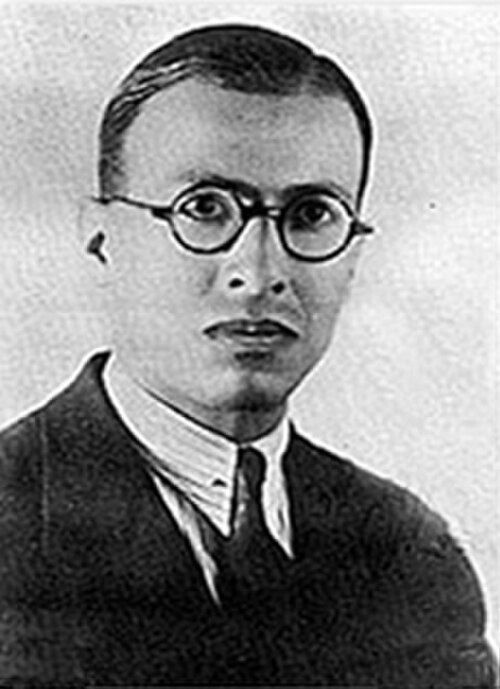
Ibrahim Tuqan
إبراهيم طوقان
Born: Nablus, Ottoman Palestine
Domain: Literature & Poetry
Recognition: Regionally recognized
Biography
Ibrahim Tuqan was a pioneering Palestinian nationalist poet of the late Ottoman and British Mandate period, remembered as one of the founding figures of modern Palestinian poetry. Born in Nablus in 1905 into the prominent Tuqan family, he was educated locally and then at the American University of Beirut, where he immersed himself in both classical Arabic literature and the wider currents of Arab nationalism then sweeping the region. Tuqan's poetry gave voice to a Palestine confronting the pressures of mass Jewish immigration, land sales, and looming dispossession during the 1920s and 1930s. He wrote with passion and political clarity, celebrating the fedayeen and the rebels of the 1936 revolt while sharply criticizing the brokers and notables who he believed were betraying the national cause. His verse combined classical mastery with an urgent contemporary message. His most enduring achievement is the poem "Mawtini" ("My Homeland"), written in 1934 and set to music by the Lebanese composer Muhammad Flayfil. The song became an anthem of love for the homeland across the Arab world; it served as the unofficial Palestinian anthem for decades and was later adopted as the national anthem of Iraq. Few poems have achieved such broad and lasting popular life. Tuqan worked as a teacher and later in radio broadcasting in Jerusalem, continuing to write and to mentor younger writers, including his sister Fadwa Tuqan, whom he personally educated in poetry and who would become a major poet in her own right. His role in transmitting both craft and commitment to the next generation was profound. He died in 1941 at only thirty-six, his life cut short before he could witness the catastrophe of 1948 that his poetry had anticipated. Despite his brief career, Ibrahim Tuqan remains a canonical figure, the poet who gave the Arab world one of its most beloved patriotic songs and who helped establish poetry as a central instrument of Palestinian national expression.
Why This Person Matters
Tuqan wrote "Mawtini," one of the most beloved patriotic anthems in the Arab world, and helped found modern Palestinian poetry under the Mandate.
Historical Context
Born in Nablus in 1905 under Ottoman rule, Ibrahim Tuqan was educated at the American University of Beirut amid the rising tide of Arab nationalism, and his poetry gave voice to a Palestine confronting mass immigration, land sales, and looming dispossession through the 1920s and 1930s. He celebrated the fedayeen and the rebels of the 1936 revolt while sharply attacking the notables and brokers he saw betraying the cause. Working as a teacher and then in Jerusalem radio, he wrote with classical mastery and urgent contemporary purpose. His career unfolded entirely within the British Mandate that his verse warned would end in catastrophe.
Historical Context
- — Born in Nablus, Ottoman Palestine
- — The Nakba – Palestinian catastrophe and mass displacement
- — Six-Day War and occupation of West Bank and Gaza
- — Passed away at age 36
Selected Works
- Mawtini (My Homeland) — Written in 1934, this patriotic ode to the Palestinian homeland became one of the most beloved Arabic songs of the 20th century. It served as the Palestinian national anthem and was later adopted as Iraq's national anthem.
- Red Tuesday — A stirring poem written in protest at the British execution of three Arab rebels in 1930, which sparked riots across Mandatory Palestine and established Tuqan as the poet-voice of Palestinian resistance.
Legacy & Influence
Tuqan's enduring achievement is 'Mawtini' ('My Homeland'), written in 1934 and set to music by Muhammad Flayfil, which became an anthem of love for the homeland across the Arab world, served for decades as the unofficial Palestinian anthem, and was later adopted as Iraq's national anthem. He also mentored his sister Fadwa Tuqan into a major poet in her own right, transmitting both craft and commitment to the next generation. He died in 1941 at thirty-six, before the 1948 catastrophe his poetry had foreseen. He remains canonical as the poet who gave the Arab world one of its most beloved patriotic songs and helped establish poetry as a central instrument of Palestinian expression.
Topics & Themes
- Ottoman Era
- West Bank
References & Sources
- Ibrahim Tuqan — https://en.wikipedia.org/wiki/Ibrahim_Tuqan
- Ibrahim Tuqan | Palquest — https://www.palquest.org/en/biography/9721/ibrahim-tuqan
- Ibrahim Tuqan | Jerusalem Story — https://www.jerusalemstory.com/en/bio/ibrahim-tuqan