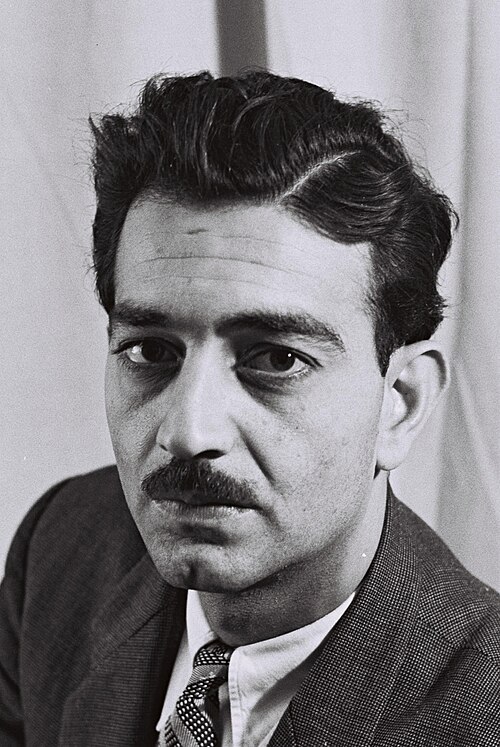
Emile Habibi
إميل حبيبي
Born: Haifa, Mandatory Palestine
Domain: Literature & Poetry
Recognition: Regionally recognized
Biography
Emile Habibi was a Palestinian novelist and politician who remained inside the borders of the new state of Israel after 1948 and became the foremost literary chronicler of the Palestinians who stayed. Born in Haifa in 1922 into an Anglican Christian family, he was a journalist and a leading figure in the Communist Party, serving for nearly two decades as a member of the Israeli Knesset, where he advocated for the rights of the Arab minority. Habibi began writing fiction relatively late, resigning from the Knesset in the early 1970s to devote himself to literature. His masterpiece, "The Secret Life of Saeed: The Pessoptimist" (1974), is a darkly comic, satirical novel whose hapless antihero embodies the absurd predicament of the Palestinian living as a second-class citizen within Israel. The neologism of its title, fusing pessimism and optimism, captured a whole condition and entered the language. The novel's blend of irony, folk tradition, and bitter wit broke decisively with the solemn register of much resistance literature, approaching the Nakba and ongoing dispossession with a tragicomic sensibility that proved enormously influential. Habibi went on to write further acclaimed works including "Ikhtayya" and "Saraya, the Ogre's Daughter," consolidating his reputation as a major modern Arab novelist. His position straddling two worlds made him a complex and sometimes controversial figure. In 1990 he received the PLO's Al-Quds Prize, and in 1992 he accepted the Israel Prize for Arabic literature, the only person ever honored by both. He defended his choices with the motto "a dialogue of prizes is better than a dialogue of stones and bullets," expressing his lifelong commitment to coexistence. Habibi died in Nazareth in 1996. In accordance with his wishes, his gravestone bears the inscription "Emile Habibi, remained in Haifa." That epitaph captures his historic significance: the great novelist of Palestinian steadfastness within Israel, whose ironic art gave enduring literary form to the experience of a community that refused to leave.
Why This Person Matters
Habibi was the great satirical novelist of the Palestinians who stayed inside Israel, whose "Pessoptimist" gave their predicament unforgettable tragicomic form.
Historical Context
Born in Haifa in 1922 into an Anglican Christian family, Emile Habibi remained inside the borders of the new state after 1948 and became the foremost chronicler of the Palestinians who stayed. A journalist and leading communist, he served nearly two decades in the Knesset advocating for the Arab minority before resigning in the early 1970s to write fiction. His masterpiece 'The Pessoptimist' (1974) arose directly from the absurd predicament of the Palestinian living as a second-class citizen within Israel, approaching the Nakba and ongoing dispossession through tragicomic irony rather than solemn lament. His life straddled two worlds and refused to choose departure.
Historical Context
- — Born in Haifa, Mandatory Palestine
- — The Nakba – Palestinian catastrophe and mass displacement
- — Six-Day War and occupation of West Bank and Gaza
- — Passed away at age 74
Selected Works
- The Secret Life of Saeed: The Pessoptimist — A darkly comic satirical novel about a Palestinian haplessly navigating life as a second-class citizen inside Israel, blending irony, folk tradition, and bitter wit. The neologism 'Pessoptimist' entered the language as a name for a whole Palestinian condition.
Legacy & Influence
The neologism 'Pessoptimist,' fusing pessimism and optimism, named a whole condition and entered the language, while its blend of irony and folk tradition broke decisively with solemn resistance literature; later works like 'Ikhtayya' and 'Saraya, the Ogre's Daughter' consolidated his reputation. Uniquely, he received both the PLO's Al-Quds Prize (1990) and the Israel Prize for Arabic literature (1992), defending his choice with the motto that 'a dialogue of prizes is better than a dialogue of stones and bullets.' His gravestone in Nazareth reads 'Emile Habibi, remained in Haifa.' That epitaph captures his legacy as the great satirical novelist of Palestinian steadfastness inside Israel.
Topics & Themes
- British Mandate
References & Sources
- Emile Habibi — https://en.wikipedia.org/wiki/Emile_Habibi
- The Secret Life of Saeed: The Pessoptimist — https://en.wikipedia.org/wiki/The_Secret_Life_of_Saeed:_The_Pessoptimist
- Emile Habibi | Institute for Palestine Studies — https://www.palestine-studies.org/en/node/1651237