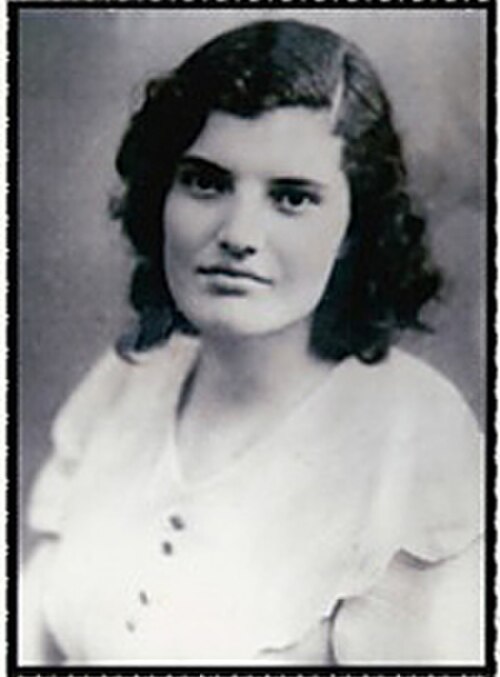
Hind al-Husseini
هند الحسيني
Born: Jerusalem, Ottoman Palestine
Domain: Civil Society & Religion
Recognition: Regionally recognized
Biography
Hind al-Husseini was a Palestinian educator and humanitarian whose response to one of the darkest moments of 1948 created an institution that has cared for and educated thousands of children for generations. Born in Jerusalem in 1916 into the prominent al-Husseini family, she was educated locally and devoted herself to teaching and social work at a time when public roles for women were rare. In April 1948, in the days after the massacre at Deir Yassin, she came upon a group of fifty-five orphaned and traumatized children who had been left near the Old City with nowhere to go. Rather than turn away, she gathered them, found them shelter, and on her birthday that month converted her grandfather's family mansion into a home for them, naming it Dar al-Tifl al-Arabi, the Arab Children's House. What began as an emergency refuge grew under her leadership into a major educational and welfare institution: an orphanage, schools, vocational training and cultural programs serving Palestinian children, especially girls, in Jerusalem. She built it through war, occupation and chronic insecurity, insisting that education and dignity were forms of survival for a dispossessed people. The institution also nurtured Palestinian heritage, including embroidery and folklore, as part of its mission. Her life's work earned her recognition as one of the foremost figures of Palestinian civil society and women's leadership. Dar al-Tifl al-Arabi remains active today, and its associated college and heritage collections continue her commitment to learning and culture. Her story was later dramatized internationally, bringing her quiet heroism to wider audiences. For the domain of civil society and religion, Hind al-Husseini exemplifies humanitarian service rooted in community responsibility: a woman who answered catastrophe by building a lasting institution rather than a monument. She died in Jerusalem in 1994, leaving behind one of the most enduring grassroots welfare legacies in Palestinian history.
Why This Person Matters
She turned the trauma of Deir Yassin into Dar al-Tifl al-Arabi, an enduring orphanage and school that has educated and sheltered generations of Palestinian children, making her a foremost figure of humanitarian civil society and women's leadership.
Historical Context
Hind al-Husseini was born in Jerusalem in 1916 into the prominent al-Husseini family in the late Ottoman city, and she devoted herself to teaching and social work at a time when public roles for women were rare. The defining moment of her life came in April 1948, in the days after the massacre at Deir Yassin, when she encountered fifty-five orphaned and traumatized children left near the Old City with nowhere to go. Her response unfolded against the backdrop of the unfolding Nakba, as Palestinian society in Jerusalem fractured under war and mass displacement. She built her institution through the subsequent decades of Jordanian rule, the 1967 occupation, and chronic insecurity, insisting that education and dignity were forms of survival.
Historical Context
- — Born in Jerusalem, Ottoman Palestine
- — The Nakba – Palestinian catastrophe and mass displacement
- — Six-Day War and occupation of West Bank and Gaza
- — Passed away at age 78
Legacy & Influence
From an emergency refuge created in her grandfather's mansion, al-Husseini built Dar al-Tifl al-Arabi, the Arab Children's House, into a major educational and welfare institution of orphanage, schools, vocational training, and cultural programs serving Palestinian children, especially girls, in Jerusalem. It also nurtured Palestinian heritage, including embroidery and folklore, as part of its mission, and remains active today alongside its associated college and heritage collections. Her quiet heroism was later dramatized internationally, reaching wider audiences. She endures as one of the foremost figures of Palestinian civil society and women's leadership, remembered for answering catastrophe by building a lasting institution rather than a monument, and for one of the most enduring grassroots welfare legacies in Palestinian history.
Topics & Themes
- Ottoman Era
- Jerusalem
References & Sources
- Hind al-Husseini — https://en.wikipedia.org/wiki/Hind_al-Husseini
- Hind al-Husseini - Interactive Encyclopedia of the Palestine Question — https://www.palquest.org/en/biography/14219/hind-al-husseini
- The Legacy of Hind al-Husseini — https://www.wrmea.org/2008-may-june/the-legacy-of-hind-al-husseini.html