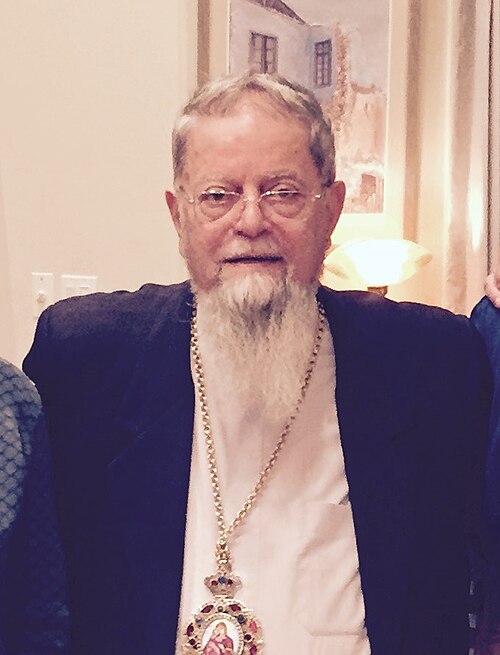
Elias Chacour
إلياس شقّور
Born: Biram, Mandatory Palestine
Domain: Civil Society & Religion
Recognition: Globally recognized
Biography
Elias Chacour is a Palestinian Melkite Greek Catholic priest, educator and peace activist who became internationally renowned for building schools that bring together Muslim, Christian, Druze and Jewish children and for his message of nonviolent reconciliation. Born in 1939 in the Galilee village of Biram, he was a child when his community was displaced from their village in 1948, an experience of dispossession that shaped his lifelong vision. Ordained a priest, he arrived in the village of Ibillin in 1965 and was struck by the lack of educational opportunities for Arab youth. Beginning with almost nothing, he founded what grew into the Mar Elias Educational Institutions, a complex of schools serving thousands of students from kindergarten through university preparation, open to children of all faiths and dedicated to coexistence, academic excellence and human dignity. Chacour articulated his philosophy in best-selling books, above all Blood Brothers and We Belong to the Land, which have been translated into more than twenty languages and introduced readers worldwide to the Palestinian Christian experience and to a theology of nonviolence rooted in the Sermon on the Mount. His insistence on reconciliation without surrendering justice made him a distinctive moral voice. His work earned wide recognition, including the Niwano Peace Prize and the World Methodist Peace Award, and he was nominated multiple times for the Nobel Peace Prize. In 2006 he was appointed Melkite Greek Catholic Archbishop of Akko, Haifa, Nazareth and All Galilee, serving until 2014 as a shepherd of one of the region's historic Christian communities. For civil society and religion, Chacour matters as a builder of institutions and bridges: a clergyman who answered displacement and inequality with education and dialogue, and who carried the story of the Holy Land's indigenous Christians to a global audience. His schools remain a living model of interfaith coexistence.
Why This Person Matters
A Nobel-nominated priest and archbishop, Chacour built interfaith schools serving thousands and carried a message of nonviolent reconciliation and the Palestinian Christian story to a worldwide readership.
Historical Context
Elias Chacour was born in 1939 in the Galilee village of Biram, whose Christian inhabitants were expelled by Israeli forces in 1948 and never permitted to return, an injustice that became the formative wound of his life. Coming of age as a Palestinian inside the new state of Israel, he experienced firsthand the displacement and inequality endured by the Arab minority who remained after the Nakba. Ordained a Melkite priest, he arrived in Ibillin in 1965 and confronted the educational deprivation of Arab youth under conditions of marginalization. Out of that displacement and inequality he chose to answer not with arms but with schools, shaping a theology of nonviolence drawn from his own dispossession.
Historical Context
- — Born in Biram, Mandatory Palestine
- — The Nakba – Palestinian catastrophe and mass displacement
- — Six-Day War and occupation of West Bank and Gaza
Legacy & Influence
Chacour's most tangible legacy is the Mar Elias Educational Institutions in Ibillin, which grew from nothing into a complex serving thousands of Muslim, Christian, Druze and Jewish students and standing as a living model of interfaith coexistence. His best-selling memoirs Blood Brothers and We Belong to the Land, translated into more than twenty languages, carried the Palestinian Christian experience and his Sermon-on-the-Mount theology of nonviolence to a global readership. Honored with the Niwano Peace Prize and the World Methodist Peace Award and nominated several times for the Nobel Peace Prize, he was elevated in 2006 to Melkite Greek Catholic Archbishop of Akko, Haifa, Nazareth and All Galilee. He is remembered as a builder of bridges who answered dispossession with education and dialogue, and his schools continue to embody his conviction that reconciliation and justice belong together.
Topics & Themes
- British Mandate
References & Sources
- Elias Chacour — https://en.wikipedia.org/wiki/Elias_Chacour
- Chacour, Elias (1939-) - Encyclopedia.com — https://www.encyclopedia.com/international/encyclopedias-almanacs-transcripts-and-maps/chacour-elias-1939
- Another Man From Galilee - America Magazine — https://www.americamagazine.org/from-our-archives/2006/11/06/another-man-galilee/